Memory Compression
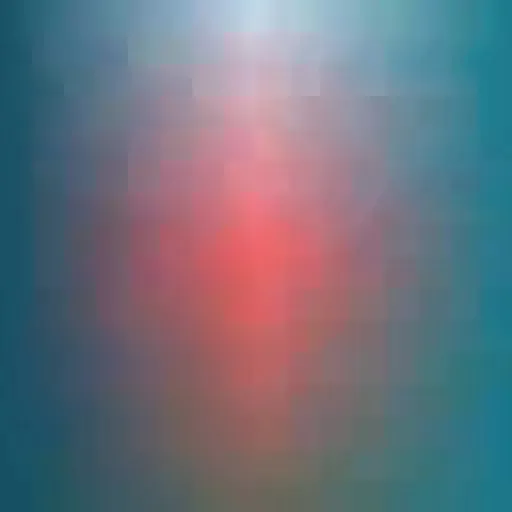
A series of meditative screen works that make digital video compression visible by pushing common codecs until their hidden textures surface.
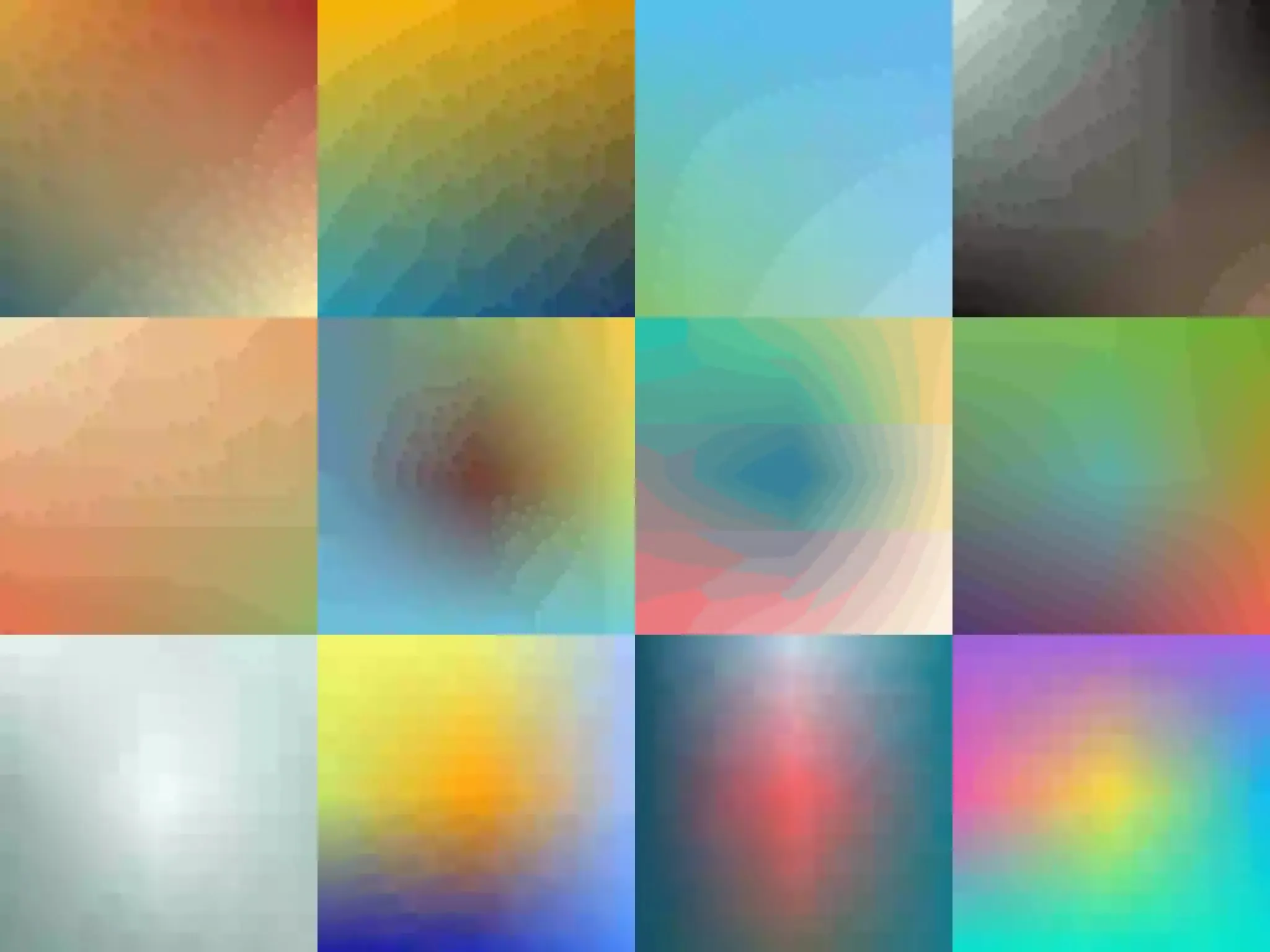
Memory Compression takes familiar digital compression systems and turns them into the subject of the work. Each piece begins as a slow, subtle colour field, but the image is pushed through codecs such as H.264 and H.265 until the surface breaks open into visible blocks, textures, and artefacts. What is usually hidden as a background process becomes the image itself, making the material behaviour of digital media available to sustained attention.
The series connects directly to Alex May’s wider practice around memory and technological mediation by asking how everyday systems reshape what we see and keep. These works do not present compression as a neutral container for images and sound. They show it as an active process that transforms information, replacing subtle gradation with a new visual logic and leaving behind a technological imprint. In doing so, Memory Compression reflects on how digital tools change the way experience is recorded, revisited, and remembered.
Additional notes
- Screen-based works built from smooth 48-bit colour gradients stressed through digital video compression.
- Resolution is 512 x 512 pixels.
- Each piece unfolds over approximately 5 to 10 minutes.
- Compression codecs used in the series include H.264, H.265, Cinepak, and Theora.
- Created with Python and FFmpeg.
- Each work includes a soundtrack improvised by the artist in response to the evolving compression artefacts.
- Full collection: Memory Compression on objkt.com.
Selected images